
For years, the world’s most climate-vulnerable countries have faced an unfair reality. They contribute the least to global carbon emissions, yet they often pay the highest price when disasters strike. Floods, hurricanes, droughts, and rising sea levels continue to damage communities, while securing affordable funding to recover remains a major challenge.
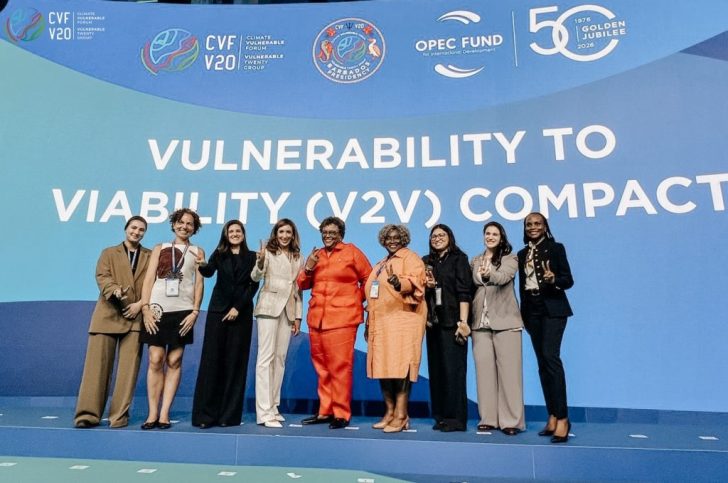
A new global initiative hopes to change that. The Vulnerability to Viability (V2V) Compact was officially launched at the OPEC Fund for International Development’s 2026 Development Forum in Vienna. Led by the OPEC Fund and the Government of Barbados, the agreement aims to make climate finance fairer, more affordable, and better suited to the countries that need it most.
The initiative represents a major step forward for the Climate Vulnerable Forum and its V20 Finance Ministers. Together, these groups represent 74 countries and around 1.7 billion people. Many of these nations include small island states, least developed economies, and lower to middle-income countries that continue to experience severe climate impacts despite contributing very little to global emissions.
Instead of treating climate finance as charity, the V2V Compact promotes genuine partnership. It encourages development banks and financial institutions to work alongside governments instead of simply acting as lenders. The goal is to create investment models that support long-term growth while respecting each country’s own priorities.
Fixing an Unfair Financial System is the Aim
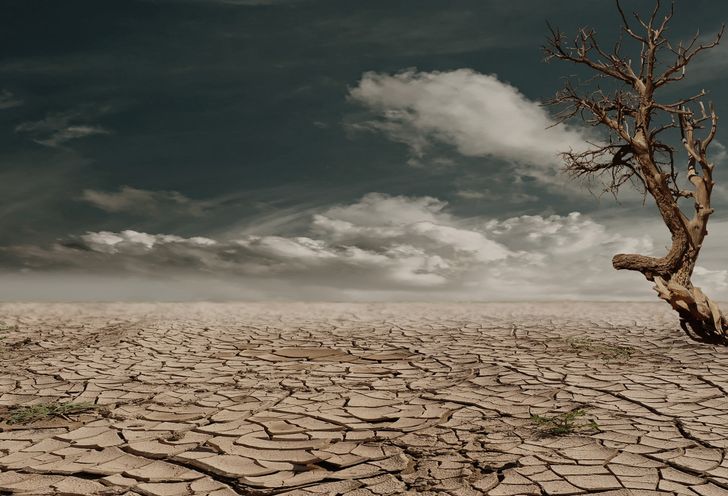
This financial pressure limits their ability to build stronger infrastructure and prepare for future climate risks.
Barbados Prime Minister Mia Amor Mottley has repeatedly highlighted this imbalance. Schools, hospitals, water systems, and other public services often last for generations, yet governments are expected to repay the loans used to build them within only a few years. That mismatch places enormous strain on national budgets and slows development.
The V2V Compact seeks to correct this imbalance by making development finance more practical. Longer repayment periods and lower financing costs would allow countries to invest in projects that strengthen communities without creating unsustainable debt. Better financial terms also give governments greater confidence to plan for the future instead of focusing only on immediate financial pressures.
The initiative also shifts the conversation from donor-driven funding to country-led investment. Governments know their own priorities better than anyone else. The compact encourages financial institutions to support national development strategies instead of imposing outside solutions that may not fit local needs.
Four Pillars That Aim to Build Stronger Economies
This means making loans more affordable, easier to access, and better aligned with the priorities of climate-vulnerable nations.
Affordable financing allows governments to invest more confidently in critical projects. Instead of delaying essential infrastructure because of borrowing costs, countries can move forward with investments that improve resilience and strengthen public services.
The second pillar aims to attract more private investment. Public funding alone cannot meet the enormous financial needs created by climate change. The compact encourages stronger project planning, blended finance solutions, and risk-sharing tools that make investments more attractive to private companies and institutional investors.
Private capital has the potential to unlock billions of dollars for development. When risks are shared more effectively, investors become more willing to finance renewable energy, clean water systems, digital infrastructure, and other projects that improve people’s lives.
The third pillar strengthens country ownership. Every nation faces different challenges, so financial support should reflect local priorities instead of following a single global formula. National strategies, including Climate Prosperity Plans, remain at the center of investment decisions.
This approach gives governments greater control over development planning. It also improves accountability because projects are designed around local goals instead of external expectations. Stronger ownership often leads to better long-term results and more sustainable economic growth.
The fourth pillar focuses on preparing countries for future shocks. Climate disasters and financial crises can quickly disrupt essential public services. The compact supports early warning systems, debt suspension clauses, and emergency planning that help governments respond faster during difficult periods.