
Global oil prices moved higher on Wednesday after Israeli Prime Minister Benjamin Netanyahu said Israel and the United States are prepared to launch additional military action against Iran if the situation escalates again.
The remarks added fresh pressure to an already tense energy market that has been shaken by conflict in the Middle East and uncertainty surrounding the Strait of Hormuz.
West Texas Intermediate crude futures jumped more than 2%, closing at $96.02 per barrel. Brent crude, the international benchmark, also gained nearly 2% and settled at $97.81 per barrel. The rise came as traders reacted to growing fears that supply disruptions could intensify in the coming months.
Netanyahu Warns Iran

During an interview with CNBC’s Sara Eisen, Netanyahu said President Donald Trump had warned Iran that military action could return “on a full scale” if required. Netanyahu stressed that both Israel and U.S. forces remain prepared.
“It’s the president’s decision,” Netanyahu said. “Israel is ready and the U.S. forces are ready. I think Iran should take that into account. I think they are taking into account, but they’re playing with fire.”
The comments arrived at a sensitive moment as military activity between Iran, Israel, and the United States continues to fuel concerns across global markets.
Netanyahu also addressed Israel’s operations in Lebanon. According to the prime minister, Israel intends to “disarm Hezbollah” and “demilitarize Lebanon.” He added that Trump supports that objective as well.
Speculation about tension between Trump and Netanyahu has circulated in recent weeks due to Israel’s actions in Lebanon. Netanyahu dismissed those claims and said both countries may disagree on tactical decisions, though they remain aligned on broader goals.
Strait of Hormuz Remains Under Pressure
Iran has reportedly refused to finalize a deal with Washington to fully reopen the Strait of Hormuz unless Israel halts strikes in Lebanon and withdraws from the region. The narrow waterway handles a significant portion of the world’s oil shipments, making it one of the most sensitive trade routes in global energy markets.
Oil exports moving through Hormuz remain far below prewar levels. Analysts say Iran has effectively tightened control over the passage, creating delays and reducing supply flow at a time when summer fuel demand is expected to rise.
Industry observers warn that shrinking inventories could create another supply crunch. Analysts at TD Securities estimate the market could lose an additional 1 billion barrels of crude production and another 800 million barrels from inventories between June and November, even if Hormuz fully reopens under an optimistic scenario.
“The damage is done, and oil markets will continue to tighten even under a comprehensive deal scenario,” Ryan McKay, senior commodity strategist at TD Securities, wrote in a note to clients on Monday.
U.S. and Iran Exchange Strikes Again
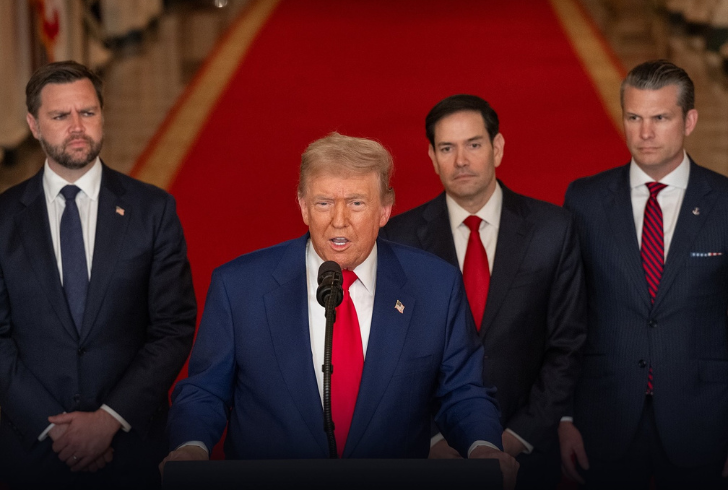
Military tensions between Washington and Tehran also resurfaced this week despite ongoing diplomatic discussions. U.S. Central Command confirmed Tuesday that American forces intercepted several Iranian ballistic missiles and drones before launching defensive strikes following what officials described as “attempted attacks” from Iran.
The exchange highlighted how fragile the ceasefire remains.
At the same time, the Trump administration continues to signal that negotiations are still active. Trump and Secretary of State Marco Rubio both rejected reports suggesting communication between Washington and Tehran had stopped.
Rubio told the Senate Foreign Relations Committee that discussions with Iran still include “the prospect” of negotiations tied to Tehran’s nuclear program.
That statement contradicted earlier reports from Iran’s Fars news agency, which claimed Iranian and U.S. officials had not exchanged messages for several days. Iranian outlet Tasnim also reported that negotiators planned to suspend indirect talks with Washington while pursuing efforts to fully shut the Strait of Hormuz.
Trump responded directly on Truth Social, writing, “Fake News Reports that the Islamic Republic of Iran, and the U.S.A., stopped speaking a few days ago are false and erroneous.”
Oil Market Faces Long Recovery
Energy traders are now watching whether diplomacy can prevent another wave of disruption in the region. Falling inventories, reduced shipping activity through Hormuz, and rising summer demand are already tightening supply conditions.
Even if negotiations produce a temporary breakthrough, analysts believe oil markets may remain strained for months. Prices have climbed steadily as investors weigh the possibility of broader conflict involving Iran, Israel, and U.S. military forces.
The latest developments show how closely geopolitics and energy markets remain tied. Any shift in military strategy or diplomatic talks could quickly send oil prices in either direction.